China’s automotive export industry delivered remarkable growth in the first half of 2026, driven by stronger product competitiveness, expanding overseas demand, and the rapid internationalization of Chinese automakers.
According to industry data released by Cui Dongshu, Secretary-General of the China Passenger Car Association (CPCA), China exported approximately 5.31 million vehicles from January to June 2026, representing a year-on-year increase of 53%.
The strong performance highlights the continued expansion of Chinese automotive brands across both emerging and developed international markets.
Strong Export Momentum Continues
China’s monthly export performance was particularly impressive in June, with approximately 1.07 million vehicles exported during the month.
June exports increased by 73% year on year and 8% month on month, demonstrating that the industry’s high-growth trend remains firmly intact.
Since China’s automotive exports entered a new growth cycle in 2021, overseas sales have continued to expand despite periodic fluctuations in individual markets.
The combination of competitive pricing, improving vehicle quality, advanced technology, and increasingly mature supply chains has strengthened the international competitiveness of Chinese vehicles.
Russia Becomes China’s Largest Automotive Export Destination
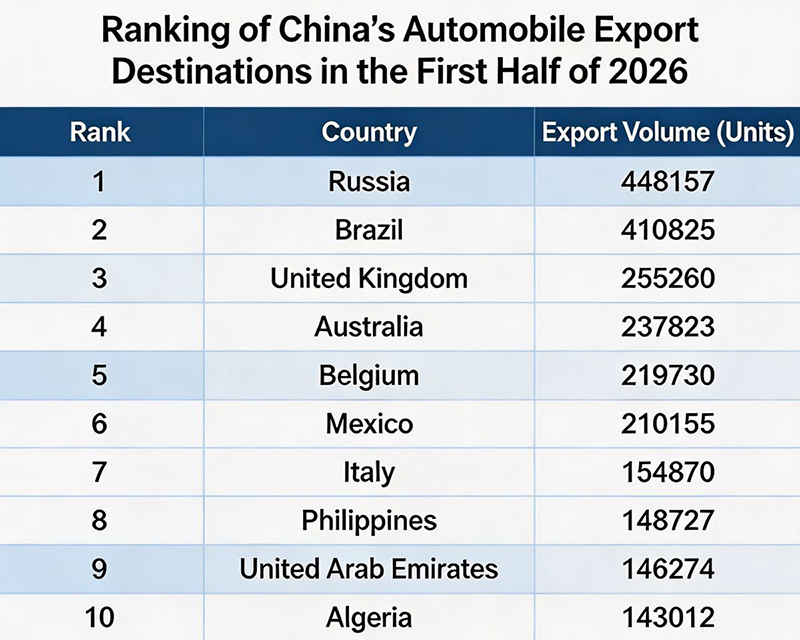
Russia ranked first among China’s automotive export destinations in the first half of 2026, with approximately 448,157 vehicles exported to the market.
Exports to Russia increased by approximately 148% year on year, making the market one of the most important growth drivers for China’s automotive exports.
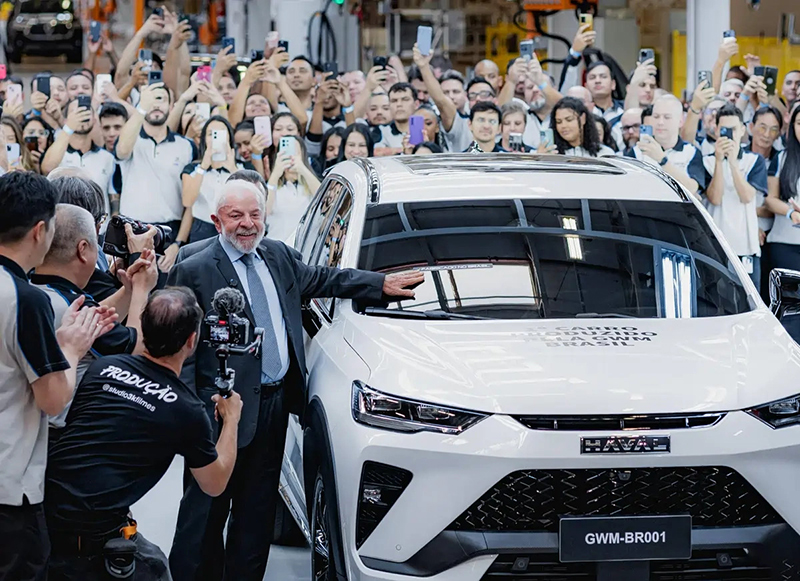
Brazil ranked second with approximately 410,825 vehicles, further demonstrating the strong demand for Chinese vehicles in Latin America.
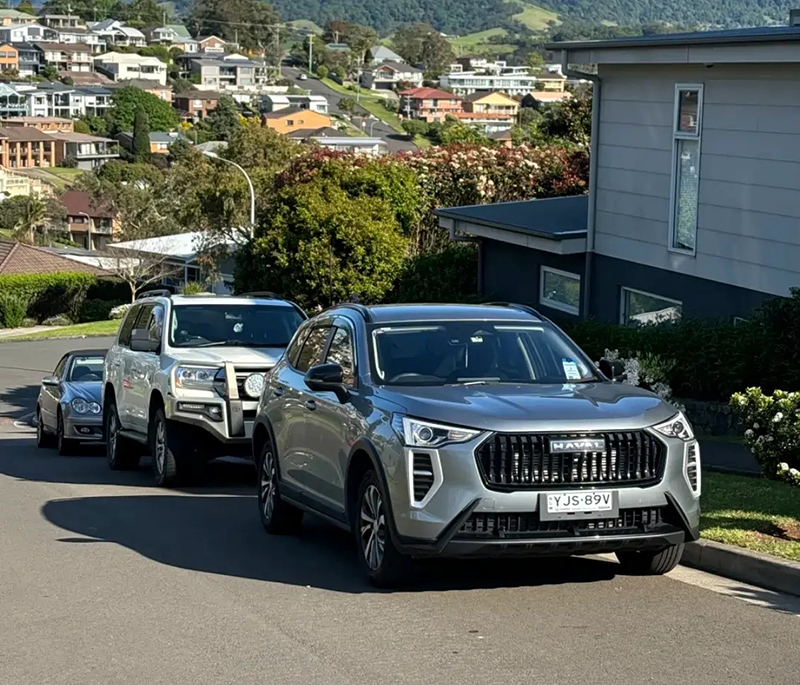
The remaining major destinations included the United Kingdom, Australia, Belgium, Mexico, Italy, the Philippines, the United Arab Emirates, and Algeria.
This diversified destination structure reflects the increasingly global footprint of Chinese automotive manufacturers.

Why Is the Russian Market Growing So Rapidly?
China’s relationship with the Russian automotive market has evolved significantly over the past two decades.
Chinese automotive brands first expanded rapidly into Russia around 2008, but higher tariffs and changing market conditions later limited their presence.
The situation changed significantly after a number of international automakers reduced or suspended their operations in Russia from 2022 onward.
Chinese automakers quickly filled part of the market gap by offering competitive products, broader model portfolios, and increasingly advanced technologies.
After a period of demand adjustment in 2025, the Russian market showed signs of recovery in 2026, supported by renewed consumer demand and a relatively low comparison base.
As a result, Russia has once again become a strategically important overseas market for Chinese automakers.
New Energy Vehicles Become the Main Growth Engine
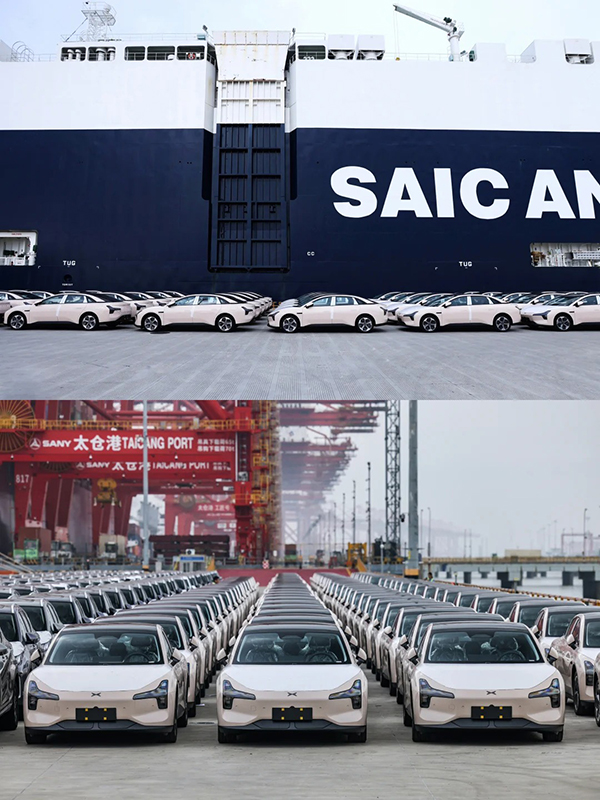
The rapid expansion of new energy vehicles (NEVs) has become one of the most important factors behind China’s automotive export growth.
China exported approximately 2.42 million new energy vehicles in the first half of 2026, representing a year-on-year increase of around 70%.
In June alone, NEV exports reached approximately 529,000 units, increasing by 108% compared with the same period last year.
The growth rate of NEV exports significantly exceeded that of the overall automotive export market, highlighting the increasing global acceptance of Chinese electrified vehicles.
Chinese manufacturers are increasingly competitive in battery technology, electric powertrains, intelligent cockpits, vehicle connectivity, and advanced driver-assistance technologies.
These technological advantages are helping Chinese NEVs enter a wider range of international markets.
Export Structure Is Rapidly Shifting Toward Electrification
China’s automotive export structure is also undergoing a major transformation.
Traditional internal-combustion-engine vehicles remain an important part of exports, but their share is gradually declining as electrified models gain momentum.
In June 2026, conventional gasoline-powered vehicles accounted for approximately 35% of exported vehicles, down eight percentage points year on year.
By comparison, new energy models, including battery electric and hybrid vehicles, accounted for approximately 56% of exports.
Plug-in hybrid electric vehicles (PHEVs) were particularly strong, accounting for approximately 19% of exports and increasing by eight percentage points year on year.
PHEV exports increased by approximately 115% during the first half of the year, making plug-in hybrid technology an increasingly important growth area for overseas markets.
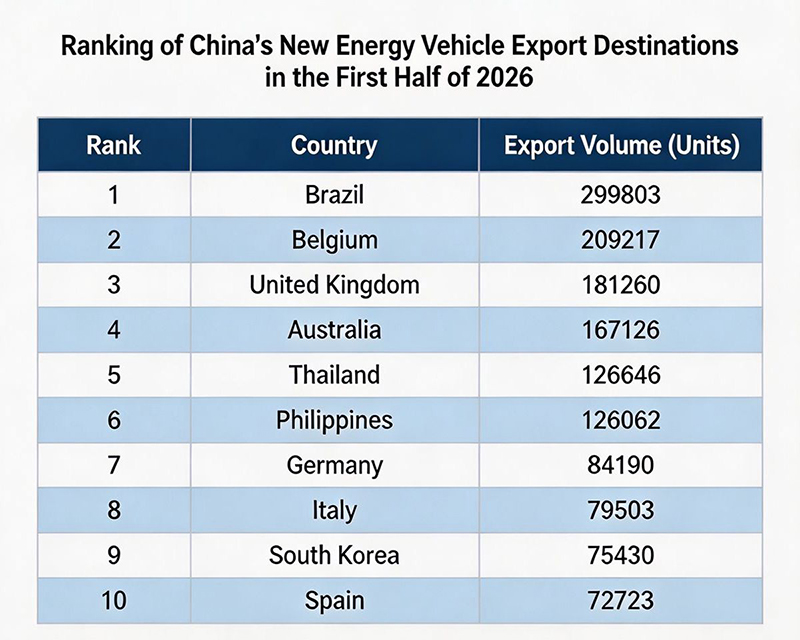
Brazil Leads China’s NEV Export Markets
Brazil was the largest overseas destination for Chinese new energy vehicles in the first half of 2026, with approximately 299,803 units exported to the country.
Belgium, the United Kingdom, and Australia ranked among the next largest destinations, showing that Chinese NEVs are gaining traction across both emerging markets and developed economies.
The growing presence of Chinese NEVs in developed markets is particularly significant because these markets generally have higher requirements for safety, technology, quality, and environmental performance.
Their growing acceptance suggests that Chinese automotive products are increasingly competing on technology and product capability rather than price alone.
What Is Driving China’s Automotive Export Growth?
Several structural factors are contributing to the rapid growth of China’s automotive exports.
First, higher global energy costs have increased consumer interest in fuel-efficient vehicles and new energy models.
Chinese automakers have developed a strong competitive advantage in electrification, allowing them to offer products with attractive operating costs and increasingly sophisticated technologies.
Second, China’s automotive industry has gradually shifted from policy-driven growth toward market-driven competition.
Intense competition in the domestic market has accelerated innovation, improved manufacturing efficiency, and encouraged automakers to expand into international markets.
Third, the rapid expansion of automotive demand in emerging markets has created new opportunities for Chinese brands.
Many markets across Southeast Asia, the Middle East, Africa, Latin America, and Central Asia are seeking affordable, reliable, fuel-efficient, and technologically advanced vehicles.
China’s broad manufacturing ecosystem and complete automotive supply chain allow manufacturers to respond quickly to these diverse market requirements.
The first half of 2026 has provided another strong indication that Chinese automotive brands are accelerating their transition from domestic competitors to global players.
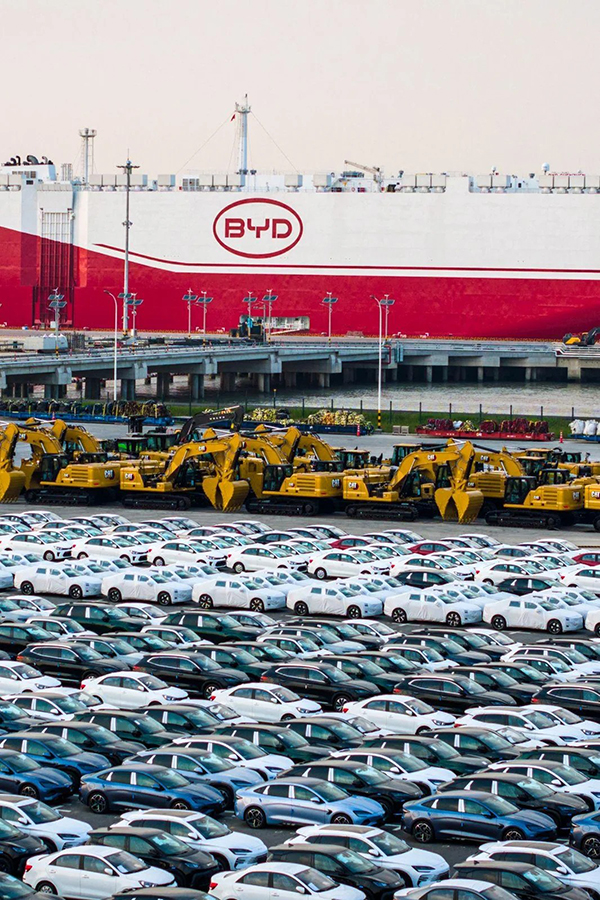
With Russia and Brazil leading export demand, NEVs maintaining strong momentum, and Chinese manufacturers expanding across emerging and developed markets, the global presence of Chinese vehicles is set to continue growing.For global automotive distributors, dealers, and buyers, the growing capabilities of China’s automotive industry represent not only a competitive challenge but also a significant opportunity for long-term cooperation.The next stage of China’s automotive industry will not only be about how many vehicles China can produce, but how deeply Chinese automotive products can integrate into global markets.
Post time: Aug-14-2026