Recently, the BYD Tang EV has officially launched, priced between RMB 239,900 and 309,900. It brings a full-size 7-seat pure electric SUV—over 5.2 meters long with a 3.1-meter wheelbase—into a more mainstream family budget segment.
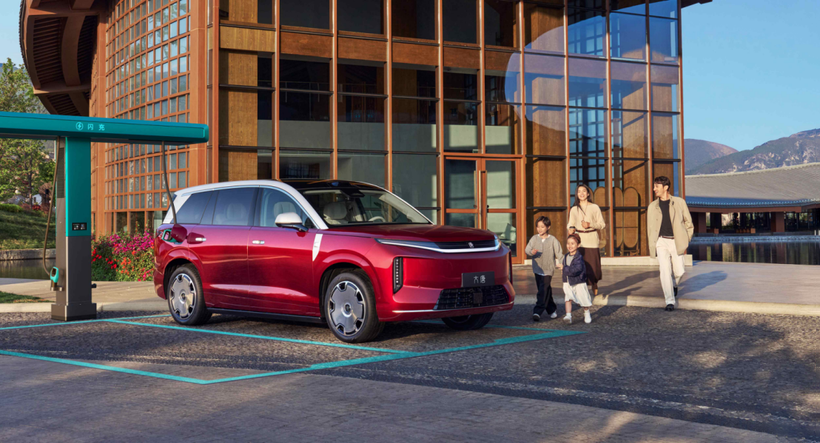
1. Pricing Strategy: Bringing Flagship SUVs into Reach
The key shift is not simply “lower price,” but lowering the entry barrier for full-size EV SUVs. It directly enters the 300,000 RMB family SUV segment dominated by Li Auto, Aito, and NIO.
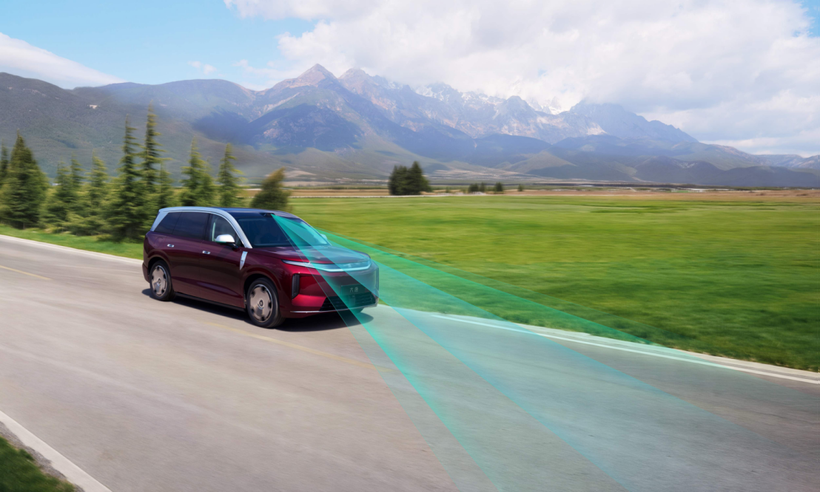
2. Range & Charging: Solving the Big EV Pain Point
It offers up to ~950 km CLTC range, with ultra-fast charging claimed at 10%–70% in about 5 minutes and up to 97% in around 9 minutes. The goal is to eliminate range anxiety through “long range + ultra-fast charging.”
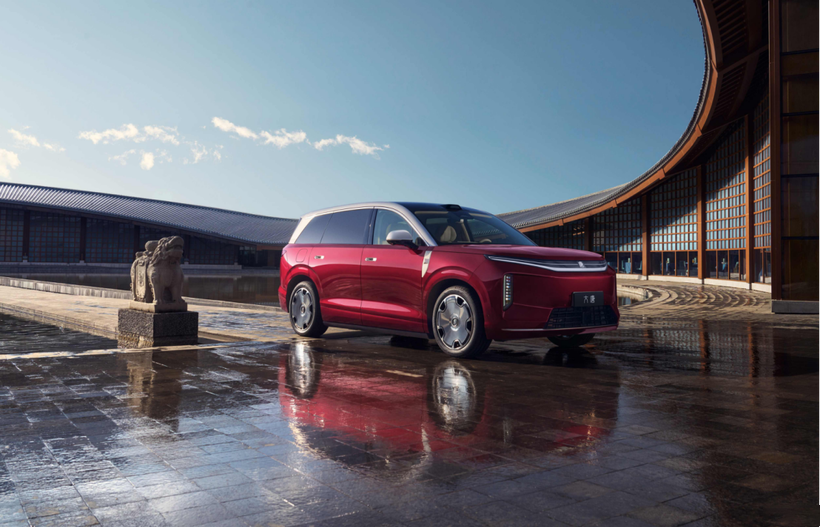
3. Charging Ecosystem: Beyond the Car Itself
Beyond the vehicle itself, BYD highlights its charging ecosystem, including fast-charging stations and network expansion, aiming to improve real-world usability in highways, cold weather, and long trips.
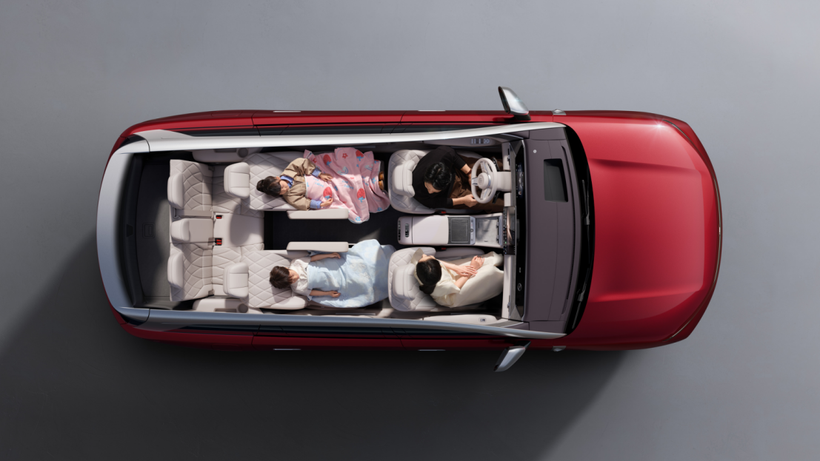
4. Space & Comfort: True Family-Oriented Layout
With a 2+2+3 seating layout and improved cargo space, the Tang EV is designed as a true family mobility solution rather than just a large SUV.

5. Smart Driving & Features: Moving Into High-Competition Zone
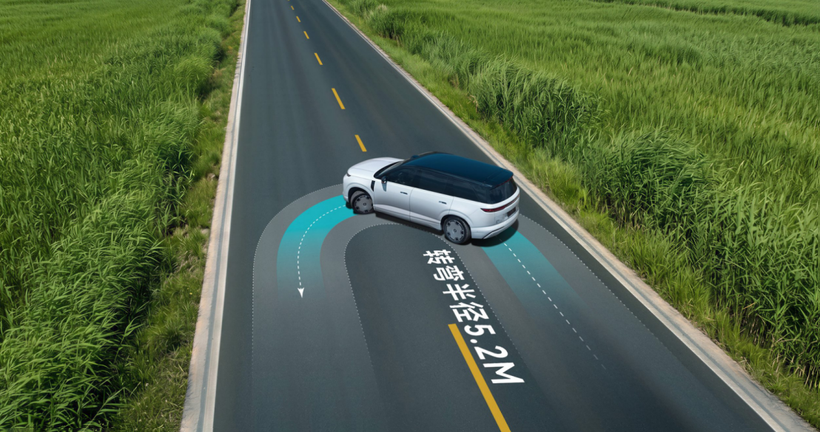
It features LiDAR-based ADAS with urban navigation capabilities, along with air suspension, rear-wheel steering, zero-gravity seats, and a 27-speaker premium audio system.
6. The Real Challenge: Brand Perception Upgrade
The real challenge is not product capability, but brand perception. In the 300K segment, users are buying not only specs, but also brand value, experience, and identity.
The BYD Tang EV aims to prove that full-size electric SUVs don’t have to rely on brand premiums—they can achieve high specs and reasonable pricing through scale and technology.
Post time: Jun-25-2026